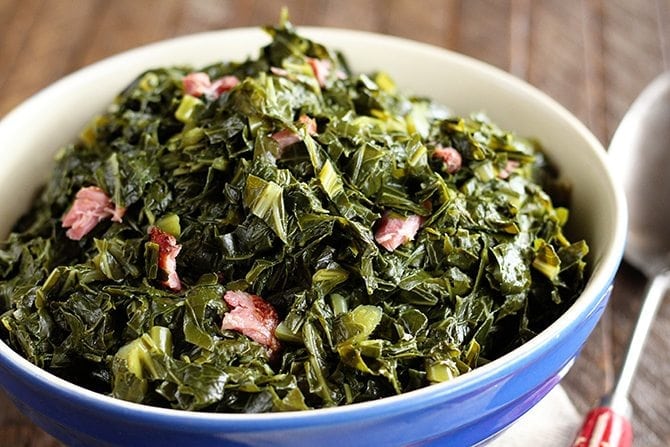
The aroma of slowly simmering greens, mingled with the savory promise of smoked meat, is more than just a pleasant scent in a Southern kitchen; it's a profound invitation to history, comfort, and an undeniable culinary legacy. Southern collard greens recipe is not merely a set of instructions; it is a cherished tradition, a testament to resilience, and a delicious centerpiece of Black culinary heritage that has graced tables for centuries.
From Sunday dinners to holiday feasts, these humble, leafy greens have transcended their simple origins to become an iconic dish. Yet, as with many traditional foods, their journey through history, particularly their deep roots within African American culture, often goes unacknowledged. This article delves into the heart of this timeless recipe, celebrating its profound significance and guiding you toward creating your own authentic, flavorful batch.
The Deep Roots of Southern Collard Greens: A History of Resilience and Flavor
While collard greens may trace their botanical lineage back to ancient Greece and Rome, finding their way to the American South in the early 1600s, their transformation into the beloved dish we know today is unequivocally an American story, forged in the hands of enslaved Black people. These greens were among the few vegetables that could be grown and harvested to feed families facing unimaginable hardship, making them a cornerstone of survival.
During enslavement, resourcefulness was paramount. Enslaved Africans took these readily available, often bitter, and tough greens and, through ingenuity and deep culinary knowledge, elevated them into something truly magical. This process involved slow-cooking them with affordable, flavorful cuts of smoked meat, transforming them into a dish that provided sustenance and solace. This culinary innovation, born out of necessity and brilliant adaptation, became one of America's most significant contributions to global gastronomy.
It’s crucial to acknowledge this history, especially as the popularity of collard greens grows. While the wellness industry and various food outlets have rightly highlighted their nutritional benefits, the narrative often omits the indelible mark of African Americans on this dish. The southern collard greens recipe is more than just food; it's a vital piece of Black history, a cultural identifier, and an enduring symbol of resilience and culinary genius. Honoring this heritage means understanding the journey and the people who made it an honored tradition.
Unlocking the Magic: What is "Pot Likker" and Why It Matters for Your Southern Collard Greens Recipe
The true soul of an exceptional southern collard greens recipe lies within a rich, savory liquid known affectionately as "pot likker" or "pot liquor." This flavorful broth is not merely a byproduct; it is the alchemical element that transforms raw, sometimes tough, collard greens into tender, deeply seasoned deliciousness. It's the liquid gold that Black culinary traditions perfected.
What Makes Pot Likker So Special?
Pot likker is formed during the long, slow simmering process. As the collard greens cook down, they release their natural flavors, which then meld with the contributions of aromatic vegetables and, most importantly, smoked meats. Traditional elements often include:
- Smoked Meats: Ham hocks, smoked turkey necks, bacon, or fatback are key. They impart a smoky, salty, and umami richness that permeates the greens.
- Aromatics: Onion and garlic are foundational, providing a pungent, sweet base.
- Broth/Stock: Chicken stock or plain water forms the liquid base, allowing the flavors to infuse.
- Seasonings: Red pepper flakes for a subtle kick, a dash of hot sauce for depth, and salt and pepper to taste are common additions.
The extended cooking time allows these flavors to fully develop and become deeply concentrated, tenderizing the greens until they are melt-in-your-mouth soft. The resulting liquid is a flavorful elixir, often considered as precious as the greens themselves. Many Southerners believe no batch of greens is complete without plenty of pot likker to sop up with a piece of cornbread. For a deeper dive into this essential component, learn how to Master Authentic Southern Collard Greens: The Pot Likker Secret.
From Farm to Fork: Sourcing and Preparing Your Collard Greens for the Ultimate Dish
The quality of your greens directly impacts the final dish. A great southern collard greens recipe starts with selecting the best produce and preparing it meticulously.
Sourcing Your Greens:
- Farmers' Markets: Your best bet for the freshest, most vibrant greens. Look for leaves that are dark green, firm but not overly stiff, and free from significant blemishes. Their freshness will translate to better flavor and texture.
- Grocery Stores: Easily accessible, look for large, healthy bunches in the produce section. Choose greens that have a good color and aren't too wilted or yellowed. A slight limpness is acceptable, as they will cook down considerably. Remember, a large bunch of raw collards will shrink significantly once cooked, similar to spinach.
Cleaning Collard Greens: The Essential Step
Collard greens grow close to the ground, which means they can carry a lot of grit, dirt, and sometimes even small insects. Thorough cleaning is non-negotiable for a pleasant eating experience.
- Separate and Inspect: Remove any yellowed or damaged leaves. Separate individual leaves from the bunch.
- Rinse Under Cold Water: Hold each leaf under running cold water, using your hands to gently rub away any visible dirt.
- Soak (Optional but Recommended): For very dirty greens, fill a clean sink or large bowl with cold water and add a few tablespoons of white vinegar. Submerge the greens and let them soak for 10-15 minutes, allowing dirt to settle to the bottom. Swish them around occasionally.
- Multiple Rinses: Drain the dirty water and repeat the rinsing process. You may need to do this 2-3 times until the water runs clear and there's no visible grit. This step cannot be rushed!
- Destemming: The tough, fibrous central stem should be removed. You can tear the leaf away from the stem or fold the leaf in half lengthwise and cut the stem out.
- Chopping: Stack several destemmed leaves on top of each other, roll them tightly, and then slice them into 1/2 to 1-inch strips. This "chiffonade" style helps them cook evenly.
Crafting Your Own Timeless Southern Collard Greens Recipe: Tips for Perfection
While precise measurements vary, the essence of an authentic southern collard greens recipe lies in its method and heart. Here’s a general guide to achieving that irresistible, down-home flavor:
The Cooking Process: Slow and Steady Wins the Race
- Render Your Meat: Begin by sautéing your chosen smoked meat (like diced bacon or ham hocks) in a large, heavy-bottomed pot or Dutch oven until it renders its fat and crisps slightly (if using bacon). This fat is crucial for flavor.
- Sauté Aromatics: Add chopped onions and garlic to the rendered fat. Sauté until softened and fragrant, building a foundational layer of flavor.
- Introduce the Greens and Liquid: Add your meticulously cleaned and chopped collard greens to the pot. It will look like a mountain, but they will wilt down significantly. Pour in your chicken stock or water until the greens are mostly submerged. Add any additional seasonings like red pepper flakes, a bay leaf, and a splash of apple cider vinegar (for a touch of acidity that brightens the flavor).
- Seasoning: Season initially with salt and black pepper, but remember that the smoked meat will add significant salinity. It's always best to taste and adjust towards the end of cooking.
- Simmer Slowly: Bring the liquid to a gentle simmer, then reduce the heat to low, cover the pot, and let the greens cook. This is where patience is key. Collard greens need to simmer for at least 1.5 to 2 hours, and often longer (up to 3-4 hours), until they are fork-tender and the pot likker is deeply flavored. Stir occasionally to prevent sticking.
- Taste and Adjust: Towards the end of the cooking time, taste the greens and the pot likker. Adjust salt, pepper, hot sauce, or a touch more vinegar as needed. The greens should be savory, smoky, and slightly tangy, never bland.
Some cooks swear by a touch of sugar or a small amount of molasses to balance any bitterness, though this is optional and depends on personal preference and the greens themselves. The key is balance and allowing the flavors to fully marry.
Beyond the Plate: Serving Southern Collard Greens and Their Enduring Legacy
Cooked to perfection, with tender greens swimming in a luscious pot likker, your southern collard greens recipe is ready to be the star side dish. They are the ultimate comfort food and pair beautifully with a wide array of Southern classics:
- Cornbread: Absolutely essential for sopping up every last drop of that precious pot likker.
- Fried Pork Chops or Chicken: The rich, savory greens provide a perfect counterpoint to crispy fried meats.
- Red Beans and Rice or Black-Eyed Peas: A staple pairing, especially for New Year's Day traditions.
- Smoked Turkey or Ham: Particularly around holidays, these greens complement any roasted or smoked meat.
- Macaroni and Cheese: The creamy, cheesy goodness of mac and cheese creates a harmonious balance with the robust greens.
Southern collard greens are more than just a delicious side; they are a symbol of endurance, a celebration of flavor born from challenging circumstances, and a vital link to a rich cultural past. Every bite connects you to generations of cooks who transformed simple ingredients into extraordinary meals, leaving behind a culinary legacy that continues to nourish and inspire.
So, the next time you prepare a batch of this iconic dish, remember the hands that first transformed these humble leaves. Savor not just the flavor, but the history, the resilience, and the timeless heritage embedded in every forkful of this remarkable southern collard greens recipe.
